

Foundry Field Reports
Small teams can ditch the CMS and build their own automations
You know what needs to change on your website. What eats up the afternoon is getting the CMS to let you do it. Anything outside the template takes engineering hours your team doesn’t have. So your staff keeps doing by hand what the site ought to handle, and you end up organizing the work around the software you bought to save time.
At Agent Loop Foundry, we replace the CMS and its templates with a custom website your business owns.
Contents (7)
- 01Language models put changes to the software itself within reach
- 02A year from now, your website could know what your team learns this year
- 03Engineers build in the permissions, tests and recovery a small team needs
- 04Designers turn the brand into instructions an AI can follow
- 05Your team runs the site and calls in specialists when the stakes change
- 06The first features worth building give time back to your staff
- 07Five client websites show what a small team can take off its desk
01
Language models put changes to the software itself within reach
A CMS gives you fields to fill in. A large language model connected to the code can change which fields exist and what the site does with the answers. The person who handles inquiries can explain which detail is always missing, ask the assistant to collect it, and try a sample inquiry to see whether it reaches the right person.
Your team can ask ChatGPT or Claude for changes in plain English, including changes to what happens after a customer hits Submit. A single inquiry can open a deal in your CRM and draft a proposal for your salesperson to review.
That changes the economics of owning software. A small company could afford to commission a quoting tool and still have good reason to buy one off the shelf. Who would maintain the custom version every time the business changed? An assistant can now make a routine change and test it. When a connection breaks, it can investigate and propose a repair. As models improve, the team can try a newer one on jobs that used to require a developer.
02
A year from now, your website could know what your team learns this year
A year from now, a customer who visits on a Sunday could get the guidance they would get in the first five minutes on the phone with your most experienced employee. They want to know whether you handle jobs like theirs and how soon they can talk to someone. They describe the job, see which service fits, and pick a time with the right person. On Monday, that person opens the appointment with the customer’s details already in hand. They can spend the call helping the customer make a decision.
What makes that possible is who gets to shape the site over the course of the year. Your team notices buyers keep choosing the wrong service. The person who takes those calls knows the one question that clears up the confusion. They can ask the assistant to add that question where buyers get stuck and use the answer to route the appointment. Then they can watch whether fewer calls need to be transferred. The next buyer can benefit from that employee’s experience before the first call.
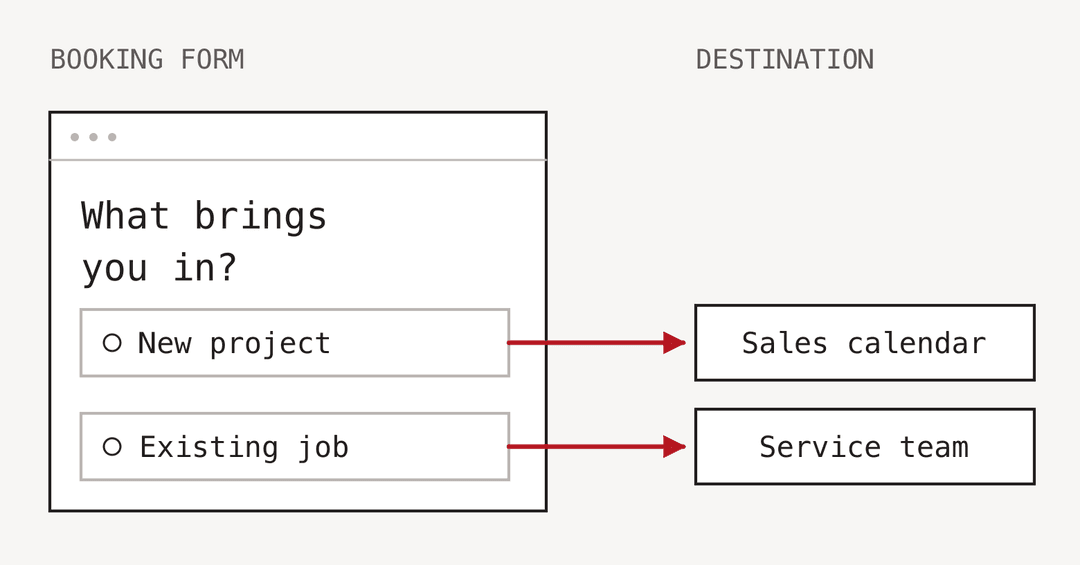
FIG. 01 · The person who takes the calls supplies the question. Its answer determines who takes the appointment.
The same freedom changes which ideas a small business can afford to try. If you want to test a new service in one city, your team could give those customers a way to check eligibility, see available times and book a visit. The person who spotted the demand can help design the trial. The owner can decide whether to expand based on how many people actually book.
03
Engineers build in the permissions, tests and recovery a small team needs
People can manage everyday changes more confidently when a mistake is easy to catch and undo. We set up access so someone editing a product page can change the copy without touching private customer records. A change to a form should pass a test that follows the inquiry to its destination. If something breaks, the team needs a way to restore the last working version.
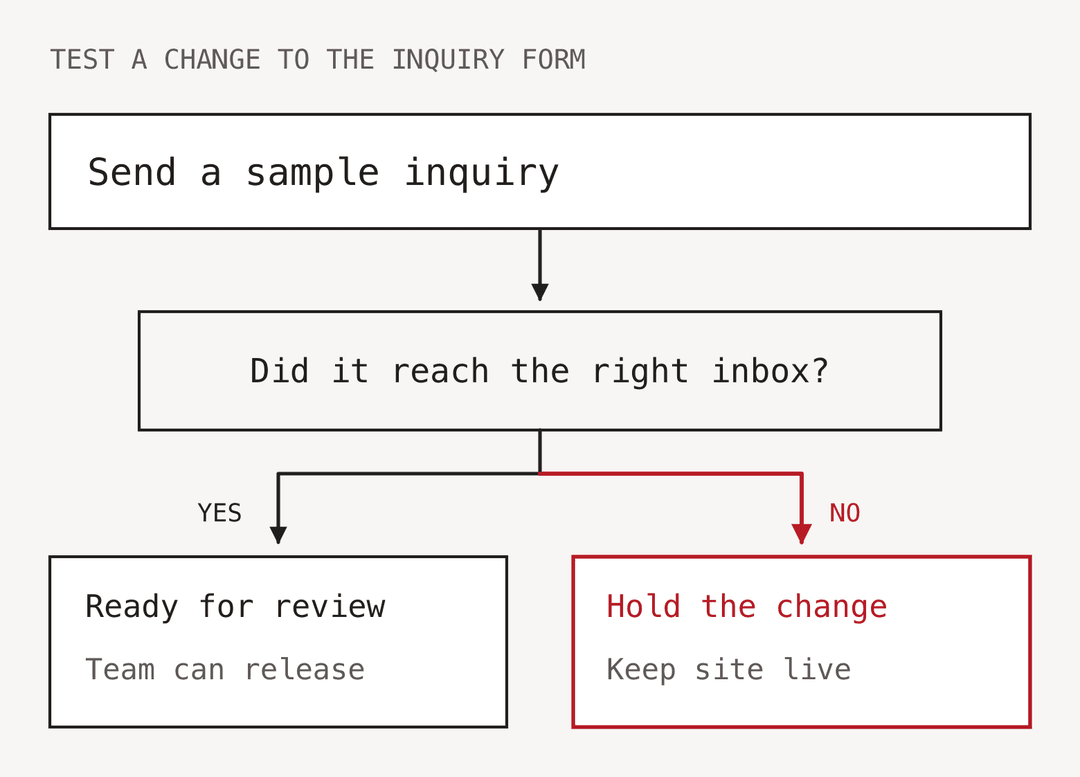
FIG. 02 · A form can look right and still lose an inquiry. The test follows it to the inbox.
The business owns its code, its content and the instructions for editing both. That gives it room to change assistants, move hosts or bring in another specialist without tying the future of the site to a particular CMS.
04
Designers turn the brand into instructions an AI can follow
A useful brand guide shows the assistant how to make the decisions a designer would make on the next page. We start with the ideal customer and what they need to decide. Our designers use AI to explore directions with the owner, then document the one they choose. The guide pairs rules with approved examples, down to which detail leads a service page and how the company explains a price difference.

05
Your team runs the site and calls in specialists when the stakes change
At handoff, the person who will own the site makes a real edit with a compatible assistant such as ChatGPT or Claude. When a service changes, the employee who delivers it can update the description in their own words without learning a content management system.
That same employee may see an opportunity to let customers look up past orders. Bring an engineer back for that decision. An awkward sentence is easy to correct. Giving one customer access to another customer’s records is a different class of mistake. That is an engineering hour worth buying.
06
The first features worth building give time back to your staff
Start where employees repeatedly copy information or explain something they know by heart. Consider two examples.
A quote request can become a proposal in the CRM. A print shop can use a request for 500 booklets to open a sales opportunity and draft a proposal from the specifications and approved terms. The estimator checks the price and delivery date before it goes out. Measure the time from inquiry to a usable proposal, including corrections, to see whether the feature earns its keep.
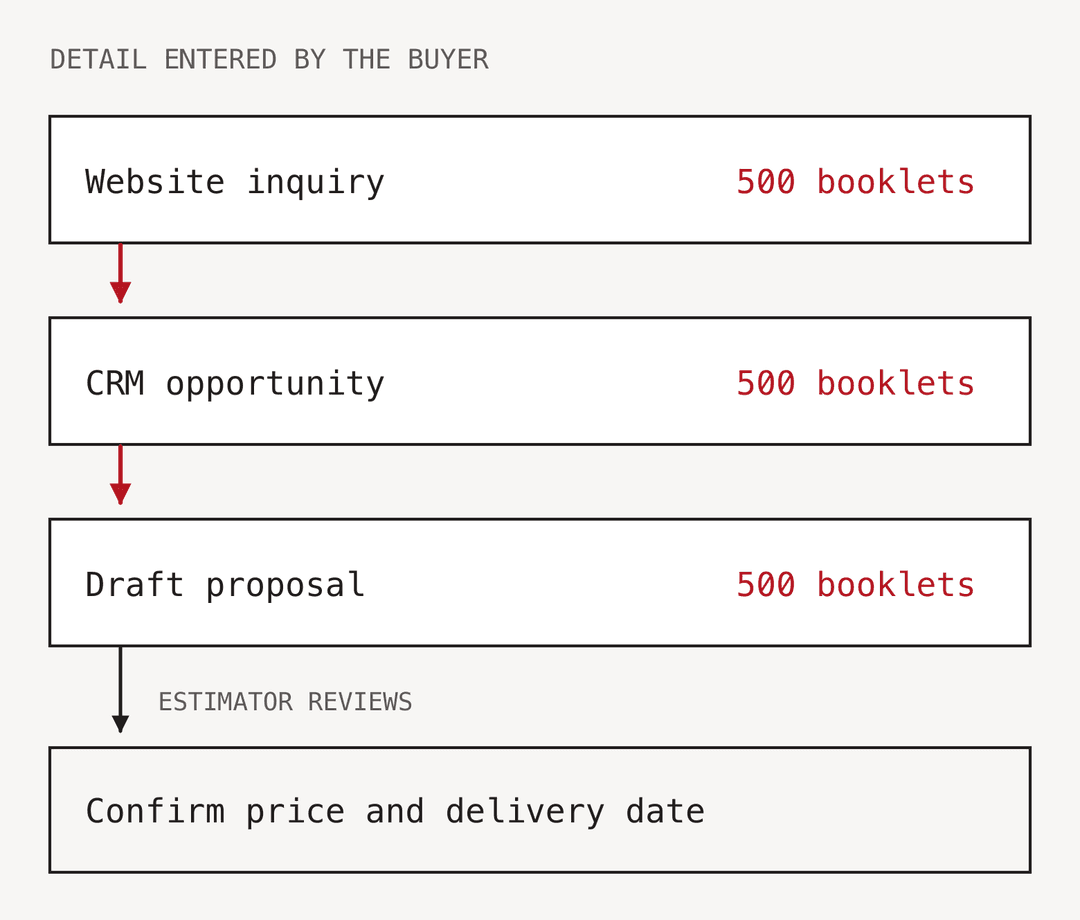
FIG. 04 · Quantity travels with the job. The estimator still decides what the shop can charge and when it can deliver.
A recurring customer question can become an article people use before they call. Suppose homeowners keep asking a remodeling firm whether they can use the kitchen during construction. Its project lead knows which stages interrupt water or power. An assistant can turn those notes into a short article and link it from the kitchen remodeling page. The lead checks the details once and can spend the next call discussing what will work for that particular family.
07
Five client websites show what a small team can take off its desk
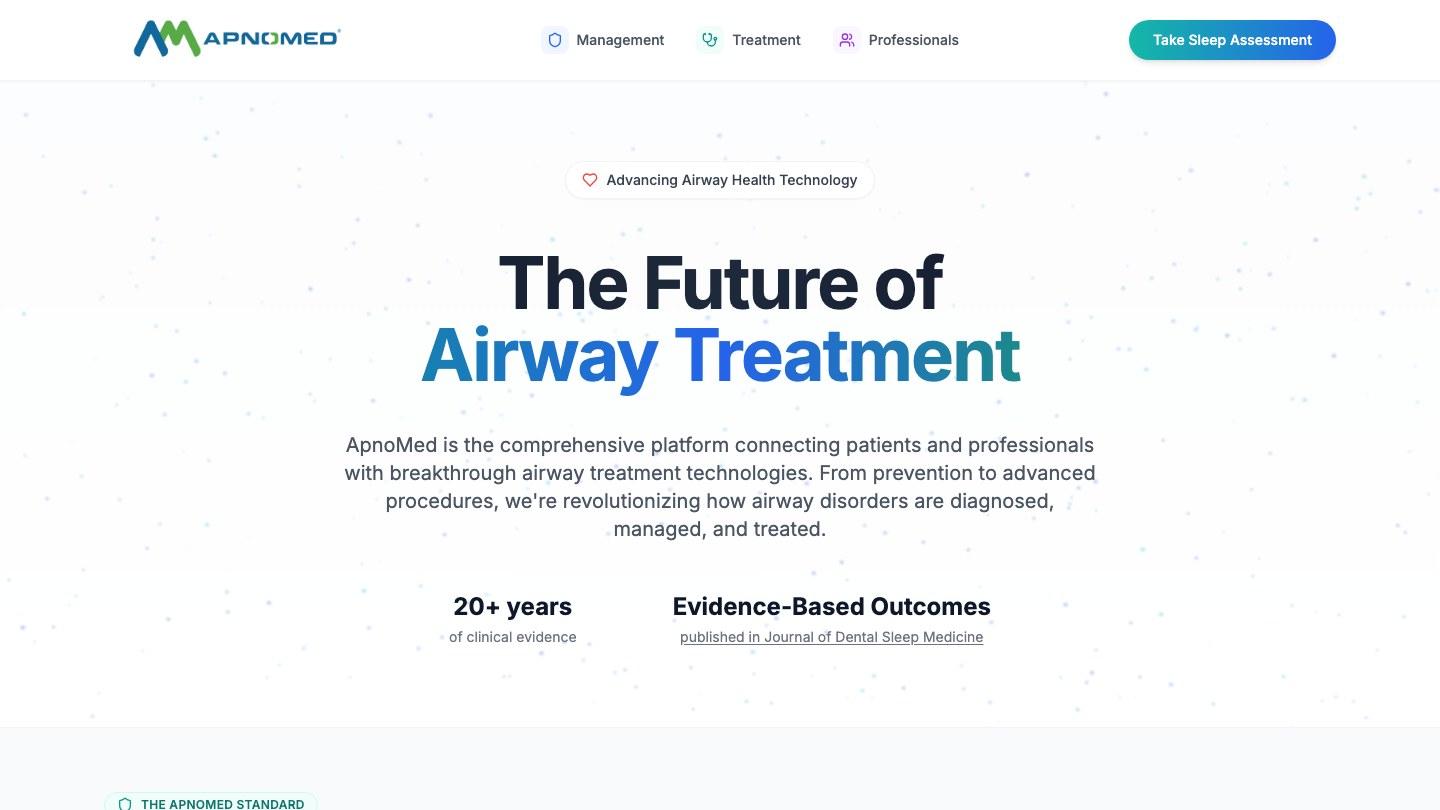
ApnoMed
Patients learn about the ApnoDent oral appliance, take a sleep questionnaire and see which approved ApnoMed providers serve their ZIP code.
Read case study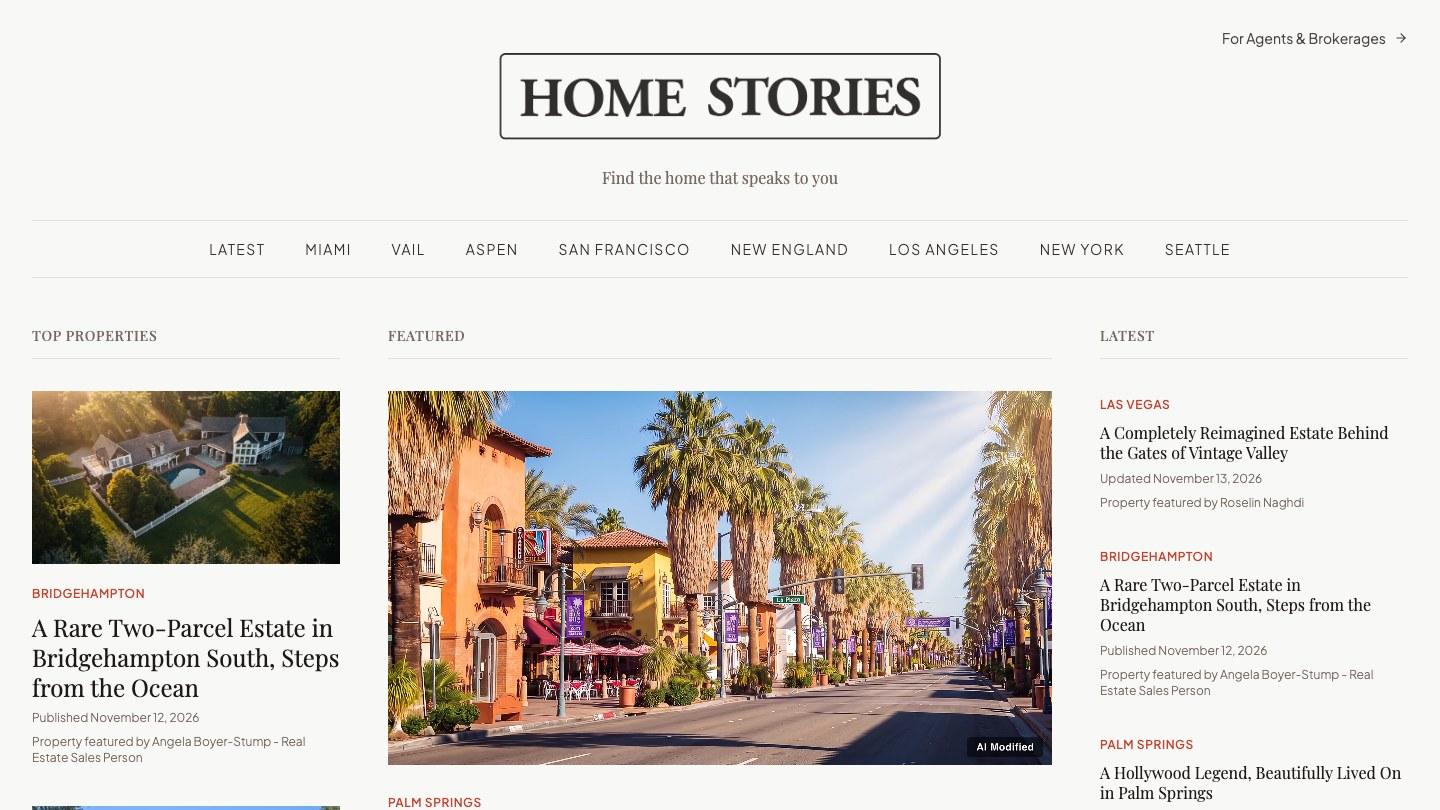
Home Stories
Agents order narrated listing tours and review edits in their dashboard. The production team manages each order and its approvals in a separate workspace.
Read case study
Boshu Partners
Business owners can ask Boshu about licensing their operating records. The inquiry reaches the staff inbox, where a partner can reply directly.
Read case study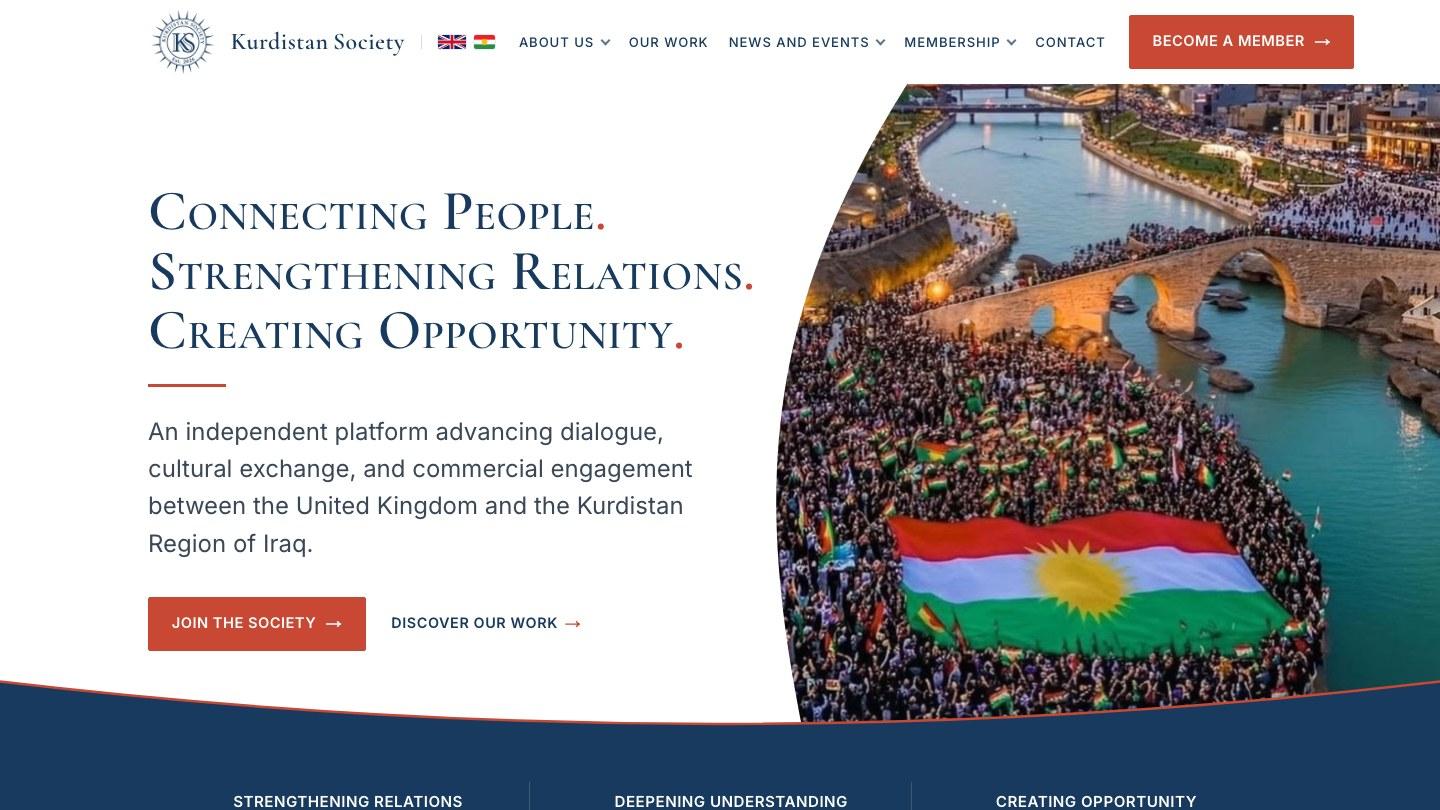
Kurdistan Society
Visitors can explore events, ask about membership or sign up for updates. Staff can handle inquiries by email and invitations through the mailing list.
Read case study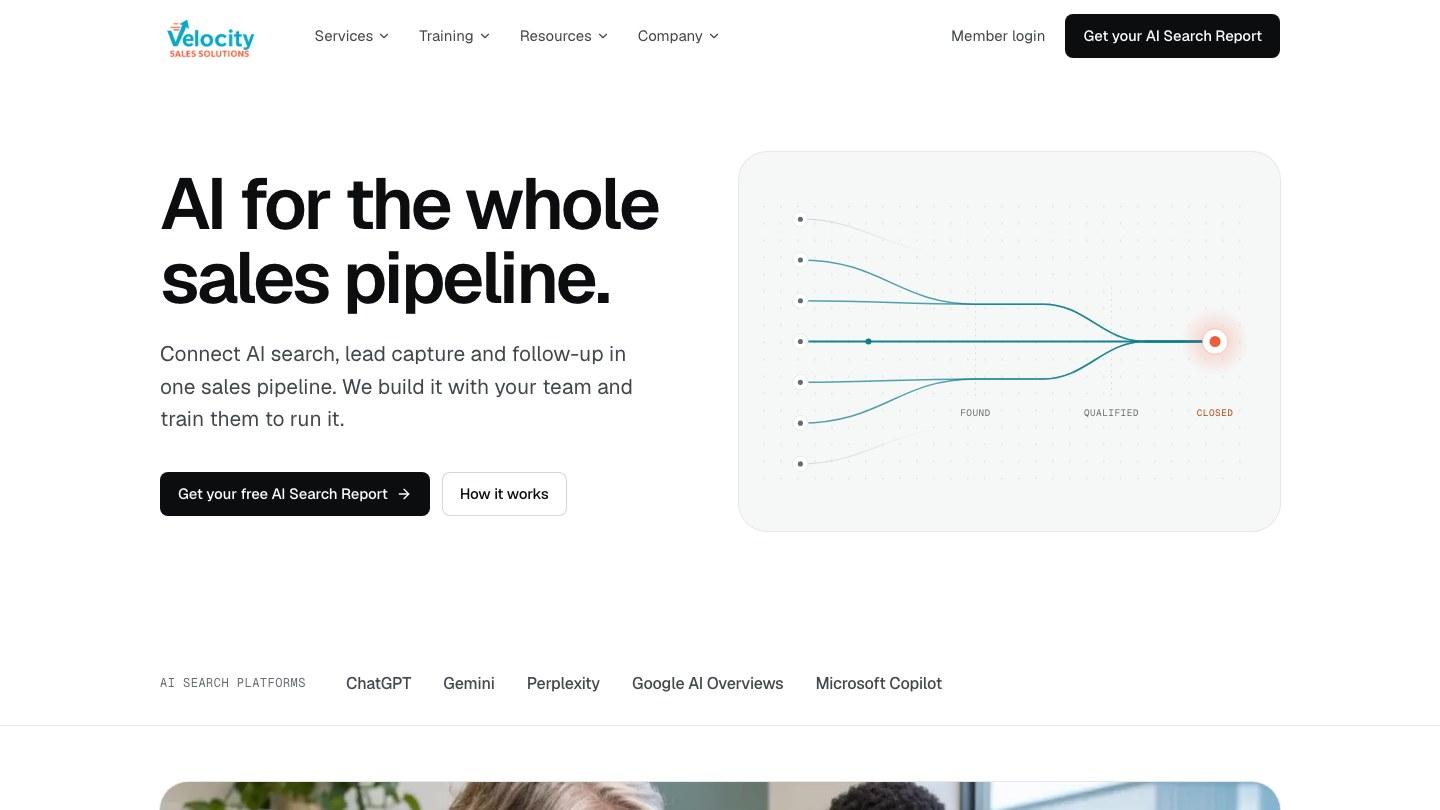
Velocity Sales Solutions
The site saves each AI Search Report request before emailing the prospect and sales team. Staff still have the inquiry if a notification fails.
Read case studyFor your own site, follow the last customer inquiry one step past the form.
Ask the person who handled it to show you the first detail they had to enter twice. Take that handoff to your next website planning meeting.